We use cookies to ensure you get the best experience on our website, for marketing and to analyse our web traffic. If you continue to use the site you will be accepting our Cookie Policy.

Kloster Eberbach
GermanyMeet the Producer
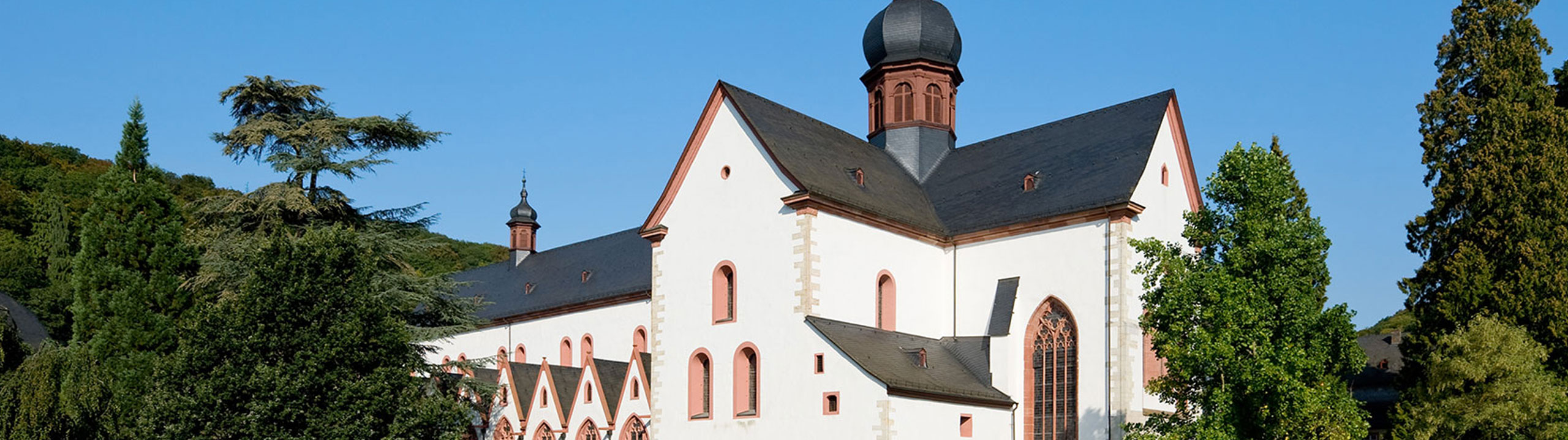
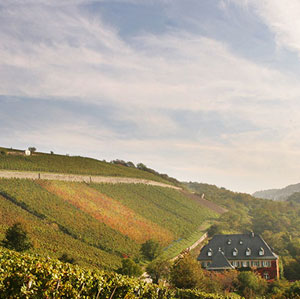
The monastery at Kloster Eberbach in the Rheingau was established by Cistercian monks from Burgundy in 1136, bringing with them vines and expertise, and laying the foundation for Pinot Noir production in Germany. Today the estate, managed by Dieter Greiner, covers 200 hectares (150ha planted to Riesling and 30ha to Pinot Noir) and as a founding member of the VDP (Germany's finest estates) it is acclaimed by journalists worldwide. The estate's vineyard sites along the Rhine are managed by Stefan Seyffardt, including the monopoles of Steinberg, Centgericht and Neroberg.
A Note on Sustainability
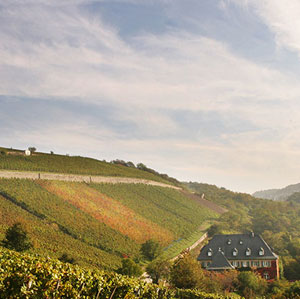
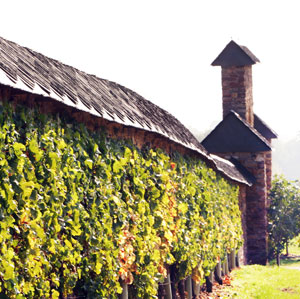
Sustainability – social, economic and environmental – is essential at Kloster Eberbach as it has been growing vines for nearly 900 years! It is EcoStep certified, and although it farms in a close-to-organic manner it is not looking to gain formal organic certification as it refuses to use copper (permitted in organic viticulture in the form of copper sulphate as an alternative to chemical fungicides).
Kloster Eberbach’s viticultural approach emphasizes biodiversity and soil health, strictly avoiding the use of pesticides. The estate actively partners with universities on cutting-edge research in areas such as precision agriculture and soil analysis. Notably, it maintains a close collaboration with Hochschule Geisenheim University, a founding member of Sustainable Wine Roundtable, exemplifying strong industry-academic cooperation. One of their most significant initiatives focuses on enhancing biodiversity in steep-slope vineyards. As part of this effort, more than ten hectares of steep terrain have been converted into transverse terraces, improving water drainage and creating microclimates that support richer biodiversity. They are sharing the results of this project offering valuable guidance to other winegrowers facing similar ecological challenges.
